How To Make Your Goals A Reality

Ready to set goals that actually stick?
We have all been there. The calendar flips to January 1st, and the world seems to shout, "New Year, New You!" We feel that familiar spark of hope. We write down ambitious resolutions: hit the gym five days a week, overhaul our entire diet, or finally finish that big project we stalled on last summer. But for those of us navigating life with a chronic condition, this burst of ambition is often followed by a harsh reality check.
Maybe a flare-up hits on January 4th. Maybe the brain fog rolls in, making that complex new routine feel impossible. By February, the guilt sets in. We feel like we have failed—again.
But here is the truth: You didn't fail. The standard method of setting resolutions failed you.
Traditional goal-setting is often built for bodies that operate with predictable energy levels. It assumes a linear path from A to B. But our paths? They are rarely linear. They are winding, with unexpected detours and necessary rest stops. That doesn't mean we can't achieve great things. It just means we need a different roadmap.
Most resolutions fail because they are rigid. They don't account for the fluctuating nature of our health.
This year, let's ditch the guilt and the "hustle culture" mentality. Instead, let's build a plan that honors your body, respects your parameters, and actually helps you thrive amidst challenges.
Here’s How To Create A Goal Or Resolution That Sticks
Step 1: Define Your Goals with Compassion and Clarity
The first step in making your goals a reality is redefining what a "goal" looks like for you. In the chronic illness community, we often trap ourselves by setting goals based on what we think we should do, rather than what is realistic for our unique energy envelopes.
Shift from Rigid Outcomes to flexible Intentions
Standard advice tells you to be specific. "I will walk 10,000 steps every day." That is specific, yes. But if your joints flare up on Tuesday, that goal becomes a source of stress rather than health.
Try shifting your definition. Instead of a rigid output, focus on the intention and the feeling.
Old Goal: "I will do yoga for 30 minutes every morning."
New Goal: "I will prioritize mindful movement three to four times a week, listening to what my body needs that day."
See the difference? The second option is specific enough to be actionable, but flexible enough to accommodate fluctuating symptoms. It empowers you to make choices that support your well-being rather than forcing you into a box that doesn't fit.
Identify Your "Why" (And Make it Deep)
Surface-level goals rarely stick when pain or fatigue sets in. "I want to lose 10 pounds" is not nearly as motivating as "I want to build enough stamina to play with my nieces on the weekend" or "I want to reduce my swelling so I have the energy to really be present at work and feel like myself again."
When you define your goals this year, dig deep. How will achieving this improve your quality of life? How will it help you find your balance? Write it down. Your deep "why" will be your anchor when the waters get rough.
Step 2: Create a Plan That Breathes
Once you have a compassionate goal, you need a plan. But unlike the rigid schedules of the past, this plan needs to breathe. It needs margin. It needs to account for the days when your body says "no."
The Power of "Pacing" Your Plan
You might be familiar with pacing in your daily life, but have you applied it to your yearly goals? If you have a big project in mind for this year, break it down into micro-steps. Then, consider doubling the timeline you think you need.
If you think a task will take one week, give yourself two. This isn't about being lazy; it is about being strategic. By building buffer time into your calendar, you remove the stress of falling behind. If you have a high-energy week, great! You get ahead. If you need a week of rest, you stay on track because you planned for it.
Tools That Work for Us
The right tools can make a massive difference. Here are a few ways to structure your planning:
The "Pencil" Calendar: This is a metaphorical (and sometimes literal) concept. You don’t need to write your plans in permanent ink. Use a digital calendar that allows you to drag and drop tasks easily. When you have to cancel plans or move a deadline because of symptoms, it’s not a failure—it’s just a reschedule.
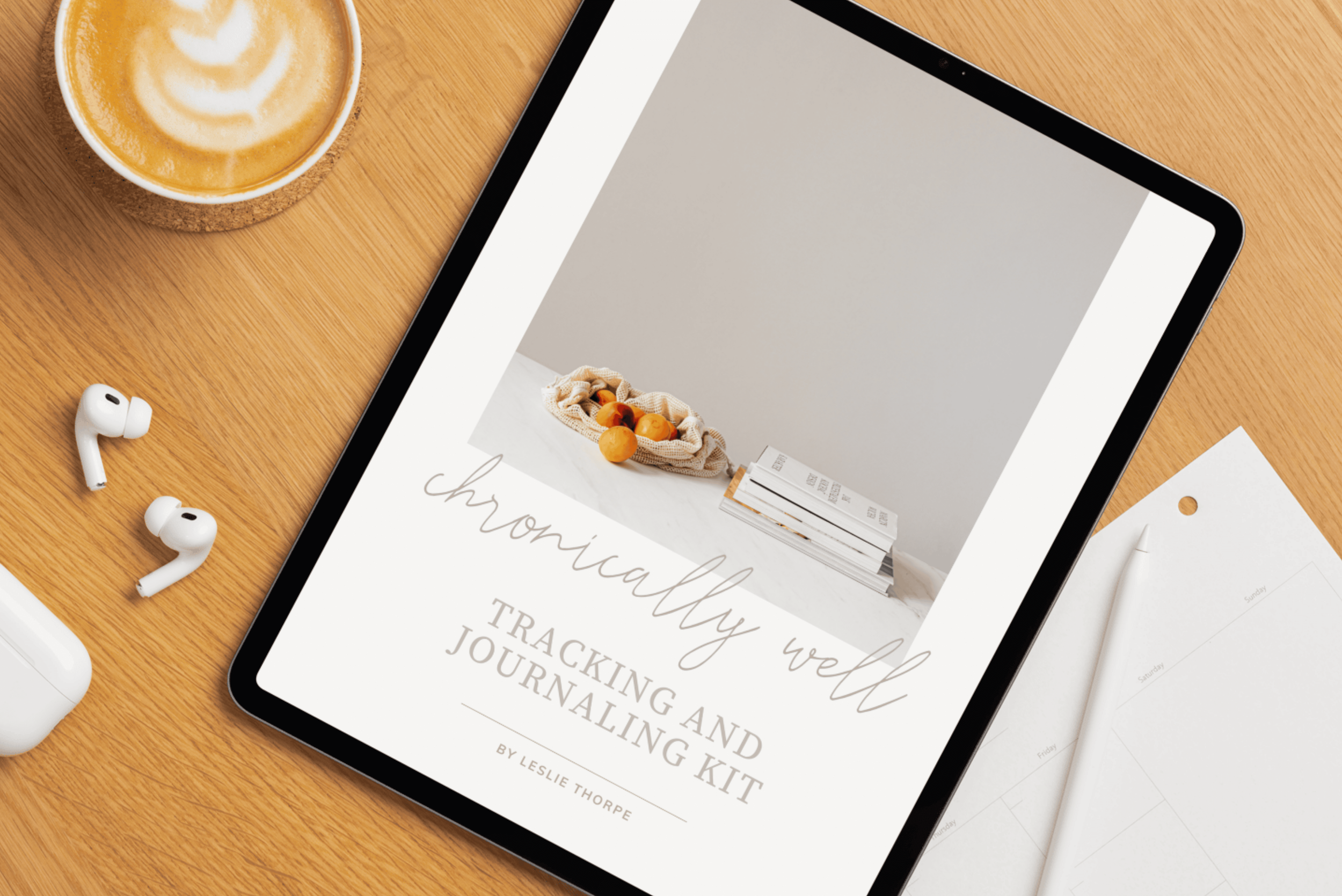
Symptom and Habit Trackers: Use apps, a journal or the Chronically Well Tracking and Journaling Kit to track your habits alongside your symptoms. This provides incredible data. You might notice that every time you skip your mid-day rest, your pain levels spike two days later. This data helps you adjust your plan in real-time.
A Tiered To-Do List: On any given day, consider creating three versions of your to-do list:
Wake up, assess your body, and pick the list that matches your reality. This ensures you succeed every single day, regardless of how you feel.The Dream List: What you would do on a high-energy day.
The Good List: A moderate amount of activity.
The Survival List: The bare minimum (e.g., take meds, drink water, rest).
Note that this concept is built into the Chronically Well Tracking & Journaling Kit with prompts that help you navigate this without needing to overthink it.
Step 3: Stay Motivated by Celebrating the Journey
Maintaining motivation is the hardest part of any resolution, especially when progress feels slow. When you are living with a chronic condition, progress is often non-linear. You might take two steps forward and one step back. That is okay. It is still movement in the right direction.
Redefine "Success"
We need to stop measuring success solely by the outcome. Instead, celebrate the effort and the wisdom you gain along the way.
Did you choose to rest today because you felt a flare coming on? That is a win. You listened to your body. That is a goal achieved. Did you modify your workout because your energy was low? That is a victory for listening to what your body needs.
The "Small Wins" Jar
It sounds simple, but visual reminders of progress are powerful. Consider keeping a journal, jar or a digital note where you record small wins.
"Drank my water today."
"Advocated for myself at the doctor's office."
"Stretched for 5 minutes."
On days when you feel discouraged or stuck, read through these. They remind you that you are resilient. They prove that you are taking action, even if it looks different than someone else’s. Note that the Chronically Well Tracking and Journaling Kit has this built in.
Embrace Self-Compassion
There will be moments when you drop the ball. You might abandon your planner for three weeks. You might fall back into old habits, or you might experience a flare that knocks you off your schedule.
When this happens, watch your self-talk. The inner critic loves to say, "See? You can't rely on yourself." Quiet your inner critic - especially when things are outside of your control. Replace the critic with the voice you would use for a dear friend. "It’s okay. You have been dealing with a lot. Let’s just restart today."
Resilience isn't about never falling down; it's about the gentle courage to begin again, as many times as it takes.
Make Your Goals A Reality
The Chronically Well Tracking and Journaling Kit will guide you to implement your goals or resolutions with flexibility and self-compassion.
Your Wellness Journey Starts Here
This can be the year you finally find a rhythm that works for you. It doesn't require perfection, and it certainly doesn't require a new body. It requires a new mindset—one rooted in kindness, flexibility, and a deep respect for your own journey.
You are learning to live well and thrive well within your current reality. By setting compassionate parameters, planning with flexibility, and celebrating every small victory, you turn your resolutions into a lifestyle that supports you, rather than one that drains you.
Ready to Put This Into Practice?
Check out the Chronically Well Tracking and Journaling Kit. This kit is designed to help you better understand your unique patterns, track your progress, and create space for mindfulness in your daily life.
For more blog posts to help you reach your goals this year, I invite you to read the following:
What's one compassionate, flexible goal you're setting for yourself this year?
Does this resonate?Please share this post with friends! Click the menu on the right to share on social media.